

Musa Kazim GULCUR
January 3, 2023
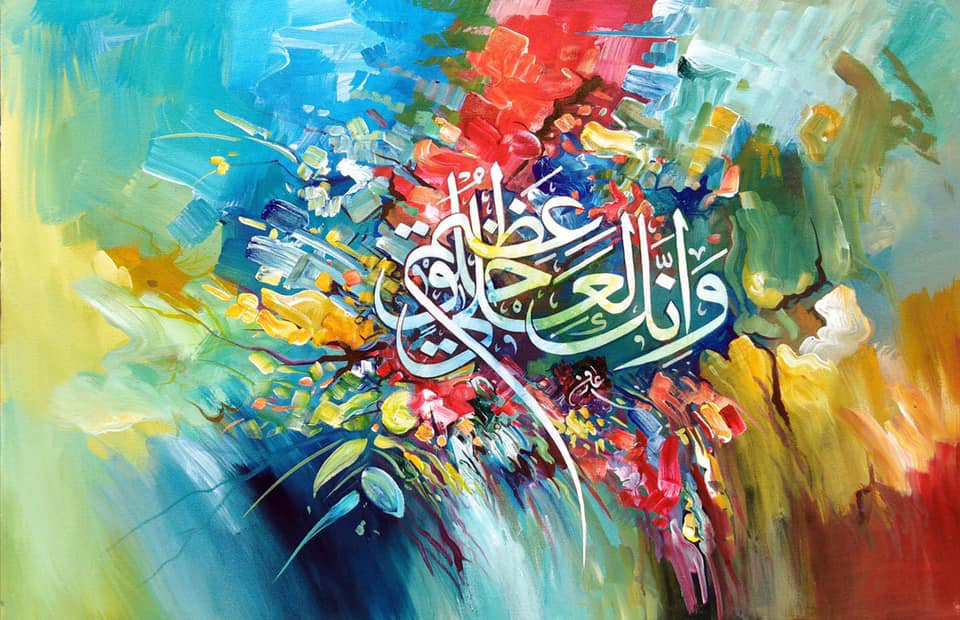
“And verily, you (O Muhammad SAW) are on an exalted standard of character.” (Surah The Pen, 68/Al-Qalam, 4)
أعوذ بالله من الشيطان الرجيم
بِـسْـــــــــــــــــــــــــــــــمِ اللَّهِ الرَّحْمَنِ الرَّحِيم
اَلْحَمْدُ لِلّٰهِ رَبِّ الْعَالَمٖينَ اللَّهُمَّ صَلِّ وسلـم عَلَى الْأَوَّلِ فِي الْإِيجَـادِ وَالْـجُـودِ وَالْوُجُودِ، اَلْفَاتِـحِ لِكُلِّ شَــاهِدٍ وَمَشْـهُودٍ، حَضْرَةِ الْمُشَـاهَـدَةِ وَالشُّهُودِ، اَلـسِّــرِّ الْبَـاطِـنِ وَالنُّـورِ الظَّاهِرِ الَّذِي هُـوَ عَيْنُ الْمَقْصُودِ، مُمَيِّزِ قَصَبِ السَّـبْقِ فِي عَالَمِ الْخَلْقِ الْمَخْصُوصِ بِالْعُبُودِيَّةِ، اَلرُّوحِ الْأَقْدَسِ الْعَلِيِّ وَالنُّـورِ الْأَكْمَلِ الْبَهِيِّ، اَلْقَائِمِ بِكَمَالِ الْعُبُودِيَّةِ فِي حَضْرَةِ الْمَعْبُودِ، اَلَّـذِي أُفِيضَ عَلَى رُوحِي مِـنْ حَضْرَةِ رُوحَانِيَّتِهِ، وَاتَّصَلَتْ بِمِشْكَاةِ قَلْبِي أَشِـــعَّةُ نُـورَانِيَّتِهِ، فَهُوَ الرَّسُـــولُ الْأَعْظَمُ وَالنَّبِيُّ الْأَكْـرَمُ وَالْوَلِيُّ الْمُقَرَّبُ الْمَسْـعُودُ، وَعَلَى أٰلِـهِ وَأَصْحَابِهِ خَزَائِنِ أَسْـرَارِهِ، وَمَعَارِفِ أَنْوَارِهِ، وَمَطَالِـعِ أَقْمَارِهِ، كُنُوزِ الْحَقَائِقِ، وَهُدَاةِ الْخَلَائِقِ، نُجُومِ الْهُدَى لِمَنِ اقْتَدَى، وَسَلَّمَ تَسْلِيماً كَثِيراً كَثِيراً
Introduction
The importance of having strong morals lies in their representation of half of one’s faith, reflecting the most complete and refined state of belief. Good morals are considered humanity’s greatest gift and the pinnacle of virtue. They are a key highlight in a believer’s tally of righteous deeds and the ultimate blessing from God for virtuous conduct. They carry significant weight for the devout, offer the best chance for divine mercy, and are the leading element in attaining closeness to the Messenger of Allah (pbuh).
What are the effects of possessing good morals?
Possessing good morals has several effects: it brings inner peace, earns respect from others, improves one’s sustenance, and may increase one’s lifespan. On the other hand, poor morals can result in psychological distress, social isolation, financial difficulties, a decline in behavior, obstacles in seeking forgiveness from Allah, and distance from our Prophet (peace be upon him).
What constitutes good morals?
Understanding the importance of good morals, the advantages they bring, and their positive influence is crucial for anyone seeking to develop them. This article will delve into these subjects through the hadiths conveyed by our Prophet (peace be upon him), each providing perspectives on the essence of good morals.
Maintaining virtuous moral principles is crucial for inspiring solutions to the growing societal challenges we face today. By preserving these esteemed moral standards, we can combat adverse moral influences. The widespread presence of mental barriers in modern society highlights the importance of upholding virtuous morality even more.
When ‘good morals’ are defined broadly to include positive individual attitudes and behaviors, as well as positive changes in conduct, it becomes evident that the notion of good morals plays a significant role in contributing to the individual’s character.
In this age of abundant information, it requires diligence to stay on a virtuous path and behave with propriety without being overwhelmed. Individuals who dismiss the importance of strong morals may find themselves unprepared to handle the extensive challenges of societal issues.
National legal frameworks can offer support to individuals up to a point. However, managing one’s relationship with nature and the environment in a beneficial way requires strong moral creativity. Solid moral reasoning and behavior can enhance legal measures and give individuals a more positive and influential perspective.
Even with the adoption of contemporary pedagogical and didactic approaches in societies worldwide, moral vulnerability continues to pose a considerable challenge. Safeguarding the mental health of the younger generations and preventing behaviors and habits harmful to the soul is critically important. It is essential to support the youth in maintaining their noble moral beliefs and actions, as the cultivation of a strong soul and character is attainable only upon the serene groundwork of virtuous morals. Thus, the notion of virtuous morality holds a dynamic characteristic that can constructively bolster and shape the modern educational system.
In this context, the teachings of our Prophet (pbuh) that clearly define virtuous character are crucial for our emerging generation. It is widely recognized that the Prophet (pbuh) is the most exemplary figure to demonstrate virtuous character to us. The guidance on virtuous character provided by our Prophet (pbuh) serves as the most persuasive model to follow.
It would be beneficial to succinctly incorporate significant moral theories for facilitating mental comparison.
Moral Philosophies
Historically, morality has been influenced by religious, philosophical, and cultural underpinnings, leading to diverse theories and definitions based on these pillars. Moral theories typically represent a mental, spiritual, and conscientious articulation of the principles that determine the right actions and decisions, along with their merit or fault. These theories can be summarized as follows:
1. Divine Command
This belief firmly holds that morality is rooted in loyalty and devotion to Almighty Allah (SWT), with moral duties encompassing the conscious adherence to the commands and prohibitions of Allah Almighty and Tekaddes. Divine Command Theory posits that morally correct actions are ordained or forbidden by Allah Almighty and His holy Messengers (peace be upon them). It is the ideology that an act is good if it aligns with the commands of Almighty Allah, and bad if it does not. Divine Command, distinct from human-crafted laws, represents a body of rules derived from a transcendent origin, grounded in the supreme will of God Almighty.
2. Consequentialism
Consequentialism is a moral theory that determines the rightness of an action based on its outcomes. It posits that the morality of an action is solely dependent on its consequences. As a branch of teleological ethics, consequentialism focuses on the goals or results of actions, rather than their intrinsic nature or the intentions of the actor. Consequentialists argue that the ethical value of an action should be judged by its effects on individual and societal welfare, using criteria like overall well-being and happiness. A hallmark of consequentialism is its stress on impartiality.
Consequentialism maintains that moral judgments must be impartial, and free from personal biases and emotions. It stresses the significance of valuing the well-being of every individual equally, without regard to social standing, ethnicity, or other distinctions. Consequentialism advocates for moral neutrality, ensuring that everyone’s interests and welfare are considered equally in moral decision-making. It encompasses various theories, including utilitarianism, which assesses the morality of actions based on their outcomes. Utilitarianism is a notable example of consequentialism.
3. Utilitarianism
Utilitarianism is a moral philosophy that suggests the most ethical action is one that enhances overall well-being and joy. It is grounded in the principle that the utility of the happiness generated by an action or circumstance is paramount. The doctrine emphasizes the maximization of total happiness and the reduction of pain and suffering. According to utilitarianism, an action is deemed correct if it promotes general welfare and happiness, and incorrect if it diminishes them.
Utilitarianism is a consequentialist theory that assesses actions by their outcomes rather than their intrinsic moral values. The morality of an action is determined by the results it yields, not the nature of the action itself. According to utilitarianism, moral judgments should be objective and free from personal biases or feelings. This theory demands a neutral, detached approach to assessing the outcomes of actions.
Classical utilitarianism, one of the most renowned forms of philosophy, was developed by British philosophers Jeremy Bentham and John Stuart Mill. Bentham’s approach, termed hedonic utilitarianism, posits that happiness is the sole intrinsic good, with pleasure and pain being the crucial factors in assessing an action’s value. Conversely, Mill’s interpretation, known as ideal utilitarianism, recognizes multiple intrinsic goods such as knowledge, justice, and friendship, which, together with happiness, should be cultivated to enhance overall well-being.
While utilitarianism and consequentialism are related concepts, they are distinct from each other. Generally, utilitarianism is a nuanced moral philosophy that has been extensively debated, with numerous interpretations and variations.
4. Deontology
Deontology is a moral theory that posits certain actions as inherently right or wrong, independent of their consequences. It is grounded in the concept of duty or obligation, proposing that individuals have certain moral duties they must adhere to, irrespective of the results of their actions. A distinctive aspect of deontology is its emphasis on the nature of actions over their outcomes as a critical component of ethical reasoning. Deontologists maintain that some actions, like lying, breaking promises, or harming innocents, are universally wrong, regardless of the consequences or the intentions behind them. This theory stands in contrast to utilitarianism, which holds that the morality of an action is determined by its outcomes.
Immanuel Kant, a renowned German philosopher who passed away in 1804, is one of the most notable deontologists. He established the moral philosophy known as Kantian deontology, which posits that individuals should act according to moral laws, irrespective of the outcomes of their actions. The influence of deontology, which underscores the significance of moral rules and duties, persists as a topic of debate and scrutiny, maintaining its relevance and impact in moral philosophy and ethical deliberation.
5. Virtue Ethics
Virtue Ethics focuses on the concept of “moral virtue” and differs from approaches that emphasize the outcomes of actions (Consequentialism) or moral duty (Deontology). It is concerned with cultivating positive character traits like honesty, courage, compassion, and justice, under the belief that these traits foster a good life. The central tenet of Virtue Ethics is that a fulfilling and happy life requires good character traits, which are developed through consistent practice and habits. Individuals who embody these virtues are regarded as capable of acting according to these traits, even in challenging situations.
Virtue ethics suggests that individuals ought to cultivate good character traits and behave following them, which is essential for a fulfilling and meaningful life. While virtue ethics acknowledges the significance of good deeds and moral obligations, it places a greater emphasis on virtue than other moral theories. For instance, consider the clear principle that “one should help those in need.” A utilitarian would argue that “doing so maximizes well-being” a deontologist would emphasize the rule “treat others as you would like to be treated” and a virtue ethicist would maintain that “assisting someone in need is an act of charity,” reflecting benevolence.
6. Selfishness
This theory posits that the pursuit of self-interest is the fundamental driving force behind all human actions and that moral choices should be solely influenced by personal gain. The concept of selfishness in morality can take a descriptive or prescriptive form. Psychological egoism is the most notable descriptive aspect, suggesting that each individual is motivated only by their own welfare. Ethical egoism, on the other hand, proposes that moral decisions should be based purely on self-interest. This moral philosophy distinguishes itself by its individual and universal applications, acknowledging that the notion “Everyone should act in their own interest” is deemed unfeasible in individual ethical egoism.
The concept of selfishness as a universal moral principle is encapsulated in the idea that “All people should act in their own interest.” Proponents of this view may find it appealing, as they believe traditional morality could hinder personal satisfaction. However, critics contend that selfish morality is fundamentally flawed, failing to account for the happiness and interests of others, and fostering an unjust society. Conversely, advocates of selfishness argue that it is a realistic and practical moral philosophy, acknowledging human self-interest and offering a framework for individuals to make decisions that benefit their own well-being. Overall, egoism is a contentious moral theory with both advocates and detractors, and its impact on individual and societal morality remains a subject of debate.
7. Natural Law
Natural law is a moral theory proposing the existence of a universal, immutable moral code discernible through reason, which dictates human conduct. This theory originates from the belief in a moral order embedded within existence, accessible through rational thought and observation. Natural law theory posits that this universal moral code sets benchmarks for human actions and informs our ethical choices. It maintains that some actions are intrinsically right or wrong, independent of situational factors or cultural differences, asserting that moral norms are an integral aspect of the natural world’s structure.
A key feature of natural law is its autonomy from human-made laws and institutions. Proponents of natural law argue that human laws should align with natural law, and when they fail to do so, they can be deemed unjust and become subject to challenge. Natural law has significantly shaped Western moral and political philosophy. Overall, natural law offers a robust basis for ethical conduct, highlighting the role of rationality, universal tenets, and the intrinsic order of the cosmos in influencing human actions and directing ethical choices.
8. Contractualism
Contractualism refers to both the theory of political authority’s legitimacy and the moral theory concerning moral norms’ origin or legitimate content. It is a moral and political philosophy that underscores the significance of agreements, contracts, and consent in forming social institutions and defining justice. The premise of contractualism is that societies and institutions originate from a hypothetical contract or agreement among individuals. In contractarianism, these individuals are viewed as rational and self-interested, uniting under a social contract to pursue common goals and safeguard their interests. This contract is regarded as a way to reap the benefits of cooperation while minimizing the risks and uncertainties inherent in social life.
One of the most renowned forms of contractualism is Thomas Hobbes’ social contract theory. Hobbes, an English philosopher who died in 1679, posited that the social contract is a pact where individuals surrender some freedoms in return for state-provided protection and security. Another significant figure in contractarian philosophy is the American philosopher John Rawls, who passed away in 2002. Rawls introduced the concept of the “veil of ignorance” as a part of contractualism. Contractualism serves as a robust framework for contemplating justice and morality, highlighting the significance of mutual agreement, consent, and collaboration in the formation of societal institutions and ethical standards.
9. Rawlsian Justice
John Rawls (d. 2002) was an American political philosopher renowned for his book “A Theory of Justice.” Rawls’s theory emphasizes that justice should be fairly structured for all society members. He posits that a just society rests on two primary principles of justice: 1. The principle of equal basic liberties, and 2. The principle of fair equality of opportunity. The principle of equal basic liberties holds that every person has fundamental rights and freedoms, such as freedom of speech, religious belief, and assembly, essential for the development of their individuality and self-identity. The principle of fair equality of opportunity asserts that all individuals, regardless of varying talents, should have equal opportunities to attain success and well-being.
Rawls introduces the concept of the “original position,” where individuals are envisioned behind a “veil of ignorance,” unaware of their social status, capabilities, or personal traits. From this standpoint, Rawls contends that individuals would endorse principles of justice that favor the least well-off in society, ensuring that they would not be disadvantaged were they to occupy such a position. Rawls’s theory of justice has profoundly influenced contemporary political philosophy and discussions on fairness and equality.
10. Moral Relativism
Moral relativism posits that moral values and principles are not absolute but vary with cultural contexts. This theory is divided into two aspects: 1. Cultural relativism, which suggests that what is deemed right or wrong in one culture may not hold the same significance in another. 2. Individual relativism, which recognizes that morality is individual-specific, with each person adhering to their own set of moral principles. The concept of relativism has sparked philosophical debates for centuries, attracting supporters and critics. Advocates of relativism claim it promotes cultural and individual diversity and tolerance, preventing the imposition of a single moral code on diverse societies and individuals. Critics argue that relativism leads to moral skepticism, impairs moral judgment and action capacity, and complicates the resolution of cross-cultural moral dilemmas and the defense of human rights. Despite these contentions, moral relativism continues to be a topic of intricate discussions regarding its theoretical and practical implications.
11. Ethics of Responsibility
Ethics of responsibility refers to the duty of an individual to act according to moral principles and rules, taking into account the consequences of their actions. It encompasses the understanding that one’s actions affect others and the environment and that one is accountable for those effects. This ethical framework obliges a person to adhere to moral values and principles, regardless of the legal implications of action or inaction. Generally, a responsible ethic entails individuals reflecting on the repercussions of their actions on others, engaging in conduct that supports the collective well-being, acknowledging the outcomes of their actions, and being prepared to rectify any harm caused.
12. Objectivism
Objectivism is a philosophy that stresses the role of reason and individual rights in shaping moral values. Originated by the Russian-American philosopher Ayn Rand, it posits that moral principles are derived from human nature facts, discernible through objective reasoning and observation. Proponents of Objectivism hold that moral values are inherent in rational beings and that morality’s aim is to identify and foster these values. They maintain that essential moral values encompass life, liberty, reason, and the pursuit of happiness. Objectivists assert that morality’s goal is to ascertain and advance what benefits human life and joy and that the moral tenets directing human conduct should align with this objective. They uphold that moral principles like honesty, justice, and individual rights are objectively valid and essential for human prosperity.
Objectivists dismiss moral relativism, the belief that moral values are culturally dependent and lack objective standards. Critics contend that objectivism is overly inflexible and fails to account for the diverse viewpoints on morality and the subtleties of human conduct. They argue that applying objective moral standards is impractical, as moral decisions frequently require subjective judgment and the weighing of competing values. Despite its controversy, objectivism continues to be debated, particularly among proponents of individual rights and free-market economics.
13. Pragmatic Ethics
Pragmatism assesses the moral value of actions based on their practical outcomes. In this view, an action is deemed good or right if it results in positive outcomes, fulfilling human needs and interests, and is considered bad or wrong if it leads to negative outcomes, thwarting human needs and interests. Pragmatists hold that morality should aim for practical ends rather than adhere to rigid principles or commandments. They suggest that moral guidelines and principles ought to be adaptable and revisable, taking into account new evidence and evolving circumstances. Pragmatism underscores the significance of context and situation in making moral choices and weighing the practical implications of various alternatives.
This perspective on morality is frequently viewed as a counter to deontology, which relies on immutable moral rules or principles. Critics argue that pragmatism may be overly subjective, devoid of firm foundations, promote moral relativism, and potentially result in the forsaking of universal moral tenets. Overall, pragmatism has been a significant theory across diverse disciplines such as philosophy, psychology, and politics, advocating for an adaptable and pragmatic stance on ethics.
Today, a variety of perspectives, theories, and approaches to morality persist, with new concepts continually influencing the discourse in this domain.
Islamic Moral Thought
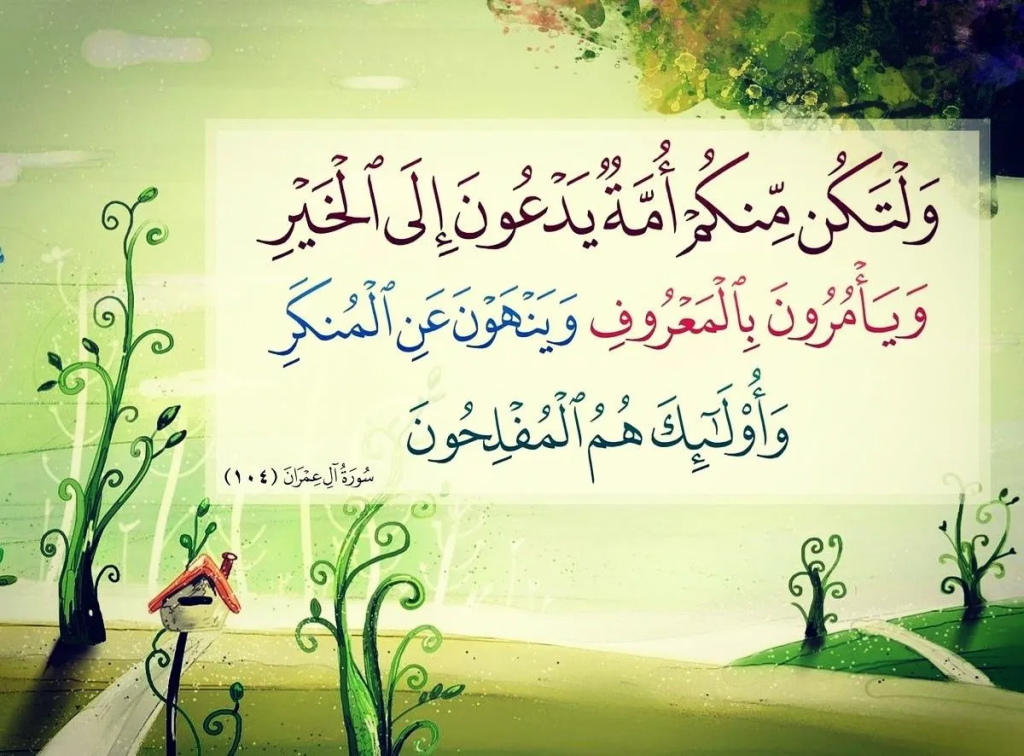
“May there be a community among you who invites to goodness, advocates for virtue, and prohibits wrongdoing. Such are they who shall attain salvation.” (Ali Imran, 3/104)
Up to this point, we have considered various significant moral theories. Each of these theories, except Divine Command Theory, has managed to grasp only one or two facets of truth, akin to the well-known “blind men and the elephant” parable. However, the conception of humanity and existence within Islamic moral philosophy encompasses all these theories more comprehensively.
In Islamic moral philosophy, good morality is characterized by positive individual attitudes and behaviors, an environment conducive to positive changes, and a value system that evaluates human actions and upholds justice and honesty. Conversely, bad morality is defined as actions and decisions that contravene established ethical norms, such as honesty, justice, empathy, and responsibility. Islamic teachings prioritize avoiding negative behaviors over promoting positive ones because purification ([التَّخْلِيةُ] – removal, cleansing) precedes adornment ([الْتحْلِيةُ]). Eradicating immoral elements and then fostering good morals are interdependent processes. This article aims to explore this concept.
Islamic moral philosophy provides an extensive framework for leading a virtuous life, drawing from the core texts of Islam: the verses of the Holy Qur’an and the hadiths, which reflect the sayings and actions of the Prophet Muhammad (pbuh). These revered texts offer profound guidance on how Muslims are to conduct themselves ethically in their interactions with others.
The concept of “tawhid,” which signifies the oneness of Almighty Allah in all dimensions, such as His Essence, His Exalted Attributes, His Beautiful Names, and His Wise Acts, is the core and foundational pillar of Islamic ethical philosophy. “Tawhid” is a crucial component of Islamic moral reasoning. The Holy Quran emphasizes that the doctrine of monotheism is the primary message delivered by all prophets (peace be upon them), as sent by Almighty Allah (SWT). “Tawhid” asserts that He alone deserves worship, obedience, and ultimate devotion. The belief in “Tawhid” profoundly influences the daily lives of Muslims. It entails a heartfelt acknowledgment of Almighty Allah’s (SWT) existence and singularity, an acceptance of His (SWT) supreme power and dominion over all aspects of life, and a dedication to seeking His (SWT) approval and satisfaction. This commitment manifests in upholding values of justice, compassion, and humility and in showing kindness to all creatures. “Tawhid” stands as the most pivotal tenet of Islamic moral philosophy, serving as a luminous beacon for the spiritual and ethical growth of Muslims.
Islamic moral philosophy places a strong emphasis on the concept of “justice.” Muslims are encouraged to act justly towards themselves and others and to firmly uphold justice in all aspects of life. It is considered important in Islamic ethics for Muslims to support the common good, assist those in need, and collaborate in establishing a just society.
In Islamic moral philosophy, the concept of “ihsan” underscores the significance of striving for excellence in one’s deeds, representing the pinnacle of Islamic ethics. “Ihsan” is to worship as though you behold the Lord Almighty and the Most Holy, and to perform all actions most finely, with heartfelt sincerity and devout dedication to Allah (SWT).
One of the fundamental tenets of Islamic ethical philosophy is “being conscious of our duties towards Almighty Allah and fulfilling them,” referred to as “taqwa.” “Piety” involves being meticulously observant of the commands and prohibitions of our Lord (SWT), who is infinitely merciful and compassionate, and striving to live in a manner that earns His (SWT) approval. Taqwa forms the cornerstone of Islamic ethical thought.
In Islamic moral philosophy, the concept of “tawakkul” emphasizes the importance of placing trust in Allah’s (SWT) guidance, which invariably leads us to truth in all facets of life. “Tawakkul” fosters humility and submission to Allah (SWT), marking it as a crucial element of Islamic ethical principles.
Islamic moral philosophy places great emphasis on the virtue of “patience,” which signifies enduring hardships with fortitude. It advocates for steadfastness during challenging times and faith in the divine wisdom of Almighty Allah (SWT) for one’s future.
In Islamic ethical teachings, the concept of “gratitude” is essential. Islam encourages individuals to be grateful for all the blessings they receive and to express their gratitude to Almighty Allah (SWT) through prayers and acts of devotion.
In Islamic moral philosophy, the concept of “repentance” necessitates that individuals seek forgiveness from Almighty Allah (SWT) after erring or sinning, and make amends for any material or moral harm they have inflicted.
Islamic moral philosophy enriches the duty-based morality of Kantian deontology with the notion of “good morality” or “moral excellence.” It motivates Muslims to cultivate virtues like kindness, generosity, compassion, honesty, and humility, and to shun vices such as anger, jealousy, and arrogance. Muslims are expected to treat themselves and others fairly and to firmly maintain justice in every aspect of life. Supporting the common good, aiding those in need, and collaborating to establish a just society are seen as significant duties in Islamic moral thought.
Islamic moral philosophy posits that the welfare and happiness of individuals, as suggested by Consequentialism, are not fully realized without considering the afterlife. Islam addresses this gap by incorporating the concept of “individual happiness in the afterlife.” In Islamic terms, “religion” is defined as follows: “Religion comprises the divine laws that guide the wise to happiness in this life and to salvation in the hereafter, through their free will.”
(Muhammad Ali et-Tehânevi, Muhammed b. Ali, Keşşâfu Istılâhâti’l-Funûn, Mektebetu Lebanon, Beirut-1996, I/814.)
In utilitarianism, the principle that one should safeguard oneself from harm and pursue personal benefit views the matter as singular and one-dimensional. Conversely, Islamic moral philosophy emphasizes a social dimension, advocating for the sharing of religious or worldly blessings bestowed by Almighty Allah, thus extending beyond the individual aspect.
The glorious Prophet (pbuh) clarifies this issue as follows, in the narration of Ibn Omar (ra):
A man approached the Prophet (pbuh) and inquired:
“O Messenger of Allah, who and what actions are most beloved to Allah (SWT)?”
The Prophet (pbuh) responded accordingly:
أحبُّ الناسِ إلى اللهِ أنْفَعُهُمْ لِلنَّاسِ ، و أحبُّ الأعمالِ إلى اللهِ عزَّ وجلَّ سُرُورٌ يدْخِلُهُ على مسلمٍ ، أوْ يكْشِفُ عنهُ كُرْبَةً ، أوْ يقْضِي عنهُ دَيْنًا، أوْ تَطْرُدُ عنهُ جُوعًا ، و لأنْ أَمْشِي مع أَخٍ لي في حاجَةٍ أحبُّ إِلَيَّ من أنْ اعْتَكِفَ في هذا المسجدِ ، يعني مسجدَ المدينةِ شهرًا ، و مَنْ كَفَّ غضبَهُ سترَ اللهُ عَوْرَتَهُ ، و مَنْ كَظَمَ غَيْظَهُ ، و لَوْ شاءَ أنْ يُمْضِيَهُ أَمْضَاهُ مَلأَ اللهُ قلبَهُ رَجَاءً يومَ القيامةِ ، و مَنْ مَشَى مع أَخِيهِ في حاجَةٍ حتى تتَهَيَّأَ لهُ أَثْبَتَ اللهُ قَدَمَهُ يومَ تَزُولُ الأَقْدَامِ .
“The most cherished among people in Allah’s view is the one who is most helpful to others. The deeds most beloved to Allah include bringing joy to a Muslim, alleviating his distress, clearing his debt, or quenching his hunger. Serving a brother’s needs is dearer to me than spending a month in i’tikaf at Masjid an-Nabawi. One who controls his anger will have his faults concealed by Allah. One who suppresses his anger, despite having the means to act on it, will have his heart filled with hope by the Almighty on the Day of Judgment. And one who eagerly fulfills his brother’s needs, Allah the Almighty will steady his feet on the Sirat, where many feet may falter.”
(Taberânî, Kebîr, 12/13646; Evsat, 6/6026; Sağîr (Er-Ravdu’d-Dânî), 2/861)
Islamic moral philosophy delves deeply into the concept of “duty” as recognized by Deontology. In Islam, actions are categorized into three groups:
1. Permissible (actions that are neutral and may be omitted without praise or blame),
2. Mandub (commendable actions that are praised if performed but not condemned if omitted),
3. Wajib (equivalent to fard, these are actions that Sharia law mandates in a binding way, with neglect warranting punishment).
Islamic moral philosophy places significant emphasis on nature, as upheld by Natural Law. The topic of nature is extensively explored in both the verses of the Quran and the hadiths.
Islamic moral philosophy articulates virtue ethics as “good morality,” grounding it profoundly. Since its inception, Islamic moral philosophy has emphasized adherence to the divine commands and prohibitions (Fath, 48/10, 18), as well as the pledge of obedience to the sovereign as a socio-political covenant (Mümtehine, 60/12). It elevates the concept of Contractualism by terming it “allegiance.”
Islamic moral philosophy embraces elements of Rawlsian Justice, such as freedom of expression and belief, as reflected in the verses, “Do as you wish. Surely, He sees what you do.” (Fussilet, 41/40) and “Your religion is for you, and my religion is for me.” (Kafirun, 109/6). These principles form the foundation of its teachings. The concept of “distributive justice” in Rawls’ theory aligns with practices central to Islam for centuries, where the wealthy are obligated to support the less fortunate through zakat and alms.
Islamic moral thought shapes the Ethics of Responsibility in the following ways:
“Every one of you is a guardian and is responsible for his charges. The ruler who has authority over people is a guardian and is responsible for them, a man is a guardian of his family and is responsible for them; a woman is a guardian of her husband’s house and children and is responsible for them; a slave is a guardian of his master’s property and is responsible for it; so, all of you are guardians and are responsible for your charges.”
(Bukhari, 2554; Muslim, 1829)
Islamic moral philosophy recognizes the fundamental human rights of “mind, life, happiness, and freedom,” as proposed by Objectivism, as essential for the existence, peace, and order of society. These are articulated as the “protection of life, progeny, intellect, wealth, and faith.” In literature, these principles are referred to as “zarûriyyât-ı hams, makâsid-ı hams, kulliyyât-ı hams.” Additionally, some Islamic scholars have expanded on these by including “justice, virtue, equality, freedom, and the safeguarding of social order.”
The Exalted Teachings of Our Prophet (pbuh) Regarding the Importance of Virtuous Behavior
In modern times, the impact of individuals, communities, and nations is measured by the culture they foster, their commitment to trust and honesty, their avoidance of objectionable behavior, and their ability for mutual respect and tolerance. All Prophets have underscored the importance of knowledge, wisdom, and, importantly, the aspects of virtuous character, considering it a vital responsibility to maintain this dignified and precious matter. These distinguished individuals, who act as spiritual beacons, have relentlessly fought against ignorance, ethical degradation, and lowly conduct.
Abu Ad-Darda narrated that the Messenger of Allah said:
مَا شَيْءٌ أَثْقَلُ فِي مِيزَانِ الْمُؤْمِنِ يَوْمَ الْقِيَامَةِ مِنْ خُلُقٍ حَسَنٍ وَإِنَّ اللَّهَ لَيَبْغَضُ الْفَاحِشَ الْبَذِيءَ .
“On the Day of Judgment, nothing will weigh more heavily on the believer’s scale than good character. Indeed, Allah, the Most High, is displeased with the shameless and obscene individual.”[1]
The teachings of Islam highlight the importance of nurturing positive moral characteristics. These encompass overcoming sorrow, avoiding pain, embracing modesty, exhibiting courage, practicing generosity, seeking happiness, upholding justice and equality, nurturing love and friendship, and safeguarding mental health. Similarly, it is vital to shun negative traits and behaviors like malice, frivolity, anger, greed, vulgarity, aggression, stinginess, and cruelty.
A person of virtue harbors noble ambitions. They are not content with simply practicing virtues such as fasting and prayer. In their behavior towards themselves, others, and their Creator, they take pleasure only in maintaining high moral standards and are purged of all disgrace.
Narrated Aisha, Ummul Mu’minin (may Allah be pleased with her), The Messenger of Allah (peace be upon him) said:
إِنَّ الْمُؤْمِنَ لَيُدْرِكُ بِحُسْنِ خُلُقِهِ دَرَجَةَ الصَّائِمِ الْقَائِمِ .
“Through good character, a believer may reach the level of one who prays throughout the night and fasts throughout the day.”[2]
Today’s challenges encompass maintaining composure, expressing thoughts lucidly, and steering clear of irrelevant comments, especially on social media. The failure to keep matters confidential also presents an issue. Moreover, boasting about unpossessed skills and self-promotion can be harmful, as these behaviors significantly hinder the maintenance of good morals.
Jabir reported that the Messenger of Allah stated:
إِنَّ مِنْ أَحَبِّكُمْ إِلَىَّ وَأَقْرَبِكُمْ مِنِّي مَجْلِسًا يَوْمَ الْقِيَامَةِ أَحَاسِنَكُمْ أَخْلاَقًا وَإِنَّ أَبْغَضَكُمْ إِلَىَّ وَأَبْعَدَكُمْ مِنِّي مَجْلِسًا يَوْمَ الْقِيَامَةِ الثَّرْثَارُونَ وَالْمُتَشَدِّقُونَ وَالْمُتَفَيْهِقُونَ .
“Truly, the most beloved of you to me, and the closest to me on the Day of Judgment, will be those who are best in character. Conversely, the most disliked of you to me, and those who will sit furthest from me on the Day of Judgment, will be the Thartharun, the Mutashaddiqun, and the Muthafaihiqun.”
They said:
“O Messenger of Allah! We are familiar with the Thartharun and the Mutashaddiqun, but could you tell us about the Muthafaihiqun?”
He said:
الْمُتَكَبِّرُونَ .
“The arrogant.”[3]
The concept of kindness includes a range of positive attitudes and actions. It pertains to any condition that bestows qualities such as beauty, skillfulness, moderation, and a strong sense of harmony and happiness upon ourselves and our environment, all of which are aspects of goodness.
Sins are defined as attitudes and behaviors that contravene divine laws and prohibitions, ethical norms, and the dictates of conscience, leading individuals astray, breaking pacts, disrupting familial and social ties, and resulting in spiritual decay.
Factors contributing to sin encompass the negative tendencies and desires that are part of human nature, along with external influences that adversely affect individuals. Sin signifies a lapse in willpower to harmonize one’s actions with proper thoughts and ideals.
Nawwas b. Sam’an al-Ansari reported:
“I asked Allah’s Messenger (ﷺ) about virtue and vice. He gave me this answer:
الْبِرُّ حُسْنُ الْخُلُقِ وَالإِثْمُ مَا حَاكَ فِي صَدْرِكَ وَكَرِهْتَ أَنْ يَطَّلِعَ عَلَيْهِ النَّاسُ .
“Virtue is a kind disposition and vice is what rankles in your heart and that you disapprove of people coming to know of it.”[4]
The precision of one’s speech is crucial for the appropriateness of actions. Discussing issues that are irrelevant to oneself may lead to crossing boundaries.
Conversely, envy is a considerable immoral characteristic and psychological affliction that takes root in the heart, steering individuals toward malevolence. It obstructs people from embracing a higher outlook on life and performing their responsibilities effectively. An individual plagued by envy is inexplicably distressed by the absence of blessings they lack.
Valuing virtues over an excessive focus on possessions, ostentation, luxury, worldly pleasures, and materialistic success is essential. One should strive for divine approval instead. The critical question is how to acquire these virtues, especially the foremost one highlighted.
According to what was narrated from Ibn Umar (ra), the Prophet (pbuh) said:
أفضل المؤمنين كل مؤمن مخموم القلب صدوق اللسان .
“The most virtuous believers are those with contented hearts and truthful speech.”
Thereupon, the Companions asks:
“What does it mean to be with contented heart, O Messenger of Allah?”
The Prophet (pbuh) answers:
التقي النقي الذي لا إثم فيه ولا بغي ولا غل ولا حسد .
“It is that the heart is sinless, does not go to extremes, does not envy anyone, is pure, and has piety.”
Companions ask again:
“Then who is the most virtuous?”
The Prophet (pbuh) answers:
. الذين نسوا الدنيا وأحبوا الآخرة
“Those who forget the world and love the hereafter.”
The Companions ask again:
“So, who is more virtuous than these, O Messenger of Allah?”
The Prophet (pbuh) completes it as follows:
. المؤمن في خلق حسن
“A believer who is on good morals.”[5]
To be with a contented heart means to have a sense of satisfaction and peace within oneself, reflecting a state where one’s inner self is fulfilled and at ease. It implies a serene acceptance and gratitude for one’s life circumstances, regardless of the challenges faced. A contented heart does not complain or grumble but rather finds joy and thankfulness in every situation.
The concept of “hayâ,” or modesty, implies that the “nafs,” or soul, are disturbed by objectionable actions and therefore abandon them. It represents the unease felt by a person when they commit a wrongful deed or fail to perform a virtuous one.
It has been narrated by Ibn Abbas that the Messenger of Allah (ﷺ) stated:
إِنَّ لِكُلِّ دِينٍ خُلُقًا وَإِنَّ خُلُقَ الإِسْلاَمِ الْحَيَاءُ .
“Each religion possesses its unique qualities, and modesty is the defining characteristic of Islam.”[6]
The foundation of solid morality is found in restraining negative impulses, tempering all forms of indulgence, shunning vulgarity, steering clear of those who engage in offensive speech, and upholding a standard of decency.
It has been narrated by Anas that the Messenger of Allah (ﷺ) stated:
مَا كَانَ الْفُحْشُ فِي شَىْءٍ قَطُّ إِلاَّ شَانَهُ وَلاَ كَانَ الْحَيَاءُ فِي شَىْءٍ قَطُّ إِلاَّ زَانَهُ .
“There is never any obscenity in a thing, but it mars it, and there is never any modesty in a thing, but it adorns it.”[7]
Key elements of a strong moral character involve not focusing on others’ shortcomings, avoiding deceit, practicing moderation in generosity, sustaining courage in challenging situations, seeking to adopt the virtues of others, and being patient in minor pursuits. Conversely, distancing oneself from greed, hostility, frivolity, disloyalty, treachery, arrogance, and dishonesty is crucial, as these traits undermine moral integrity.
In a narration by Abu Said, the Prophet (peace be upon him) articulates all the aforementioned elements as follows:
. الإسلام حُسْنُ الخُلُق
“Islam is good morals.”[8]
To behave morally towards others, one must balance the three essential human forces: reason, anger, and desire. It is wise to foster friendships with individuals who exhibit knowledge and virtue and to shun the company of those who are envious, vengeful, and spiteful. Additionally, it is vital to cultivate virtuous habits, remain aware of one’s own shortcomings, and commit to ethical principles to avoid censure. As a result, moral behavior towards others will become a consistent and instinctive practice.
Muadh ibn Jabal said, “The last advice the Messenger of Allah, may Allah bless him and grant him peace, gave me when I put my foot in the stirrup was that he said:
أَحْسِنْ خُلُقَكَ لِلنَّاسِ يَا مُعَاذُ بْنَ جَبَلٍ .
“Make your character good for the people, Muadh ibn Jabal!”[9]
Godliness and Good Ethics
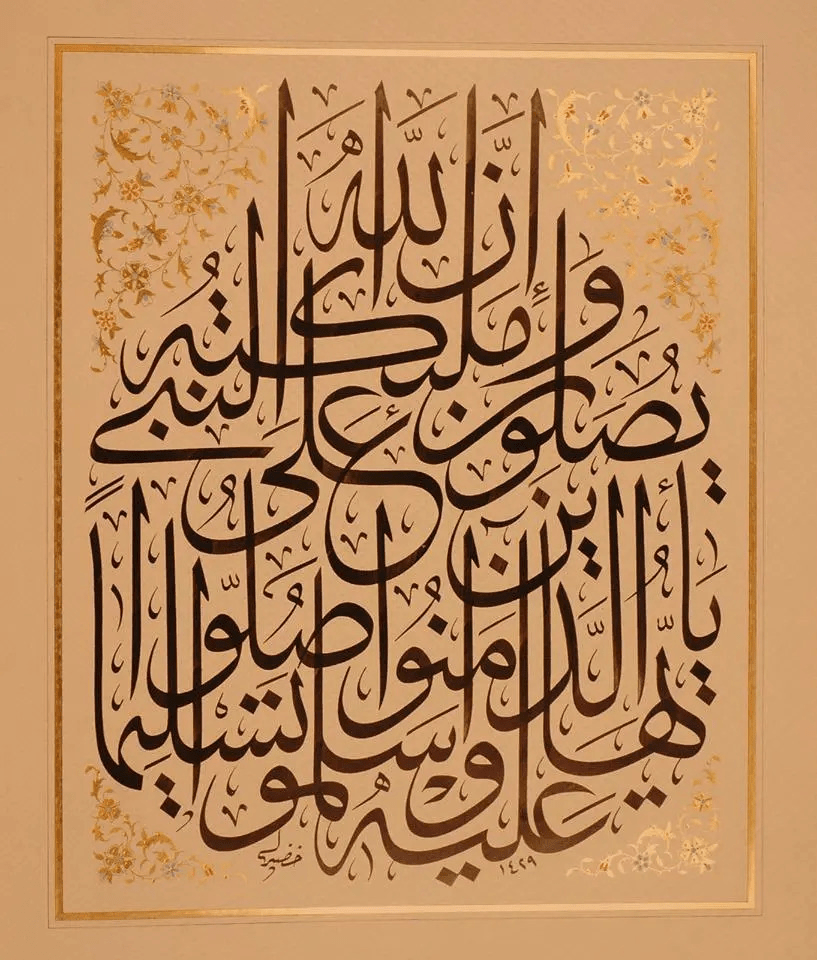
“Allah and His angels shower blessings on the Prophet. O ye who believe! Ask blessings on him and salute him with a worthy salutation.” (Surah The Combined Forces, 33/Al-Ahzab, 56)
Is there a synonymity between good morals and religiosity? How are good morals connected to religiosity? Does religiosity only indicate the significance of religion in one’s daily life, mirroring the intensity of belief and commitment to religious customs? The subsequent hadith offers an extensive response to these questions:
Muadh ibn Jabal (ra) narrates. When the Messenger of Allah (pbuh) said that he would send me to Yemen I asked:
“O Messenger of Allah, can you give me any advice?” He said:
“I advise you to be of good moral character. Because the person with the best morals is also the best in religion.”[10]
Our Prophet (peace be upon him) was the epitome of generosity.[11] Moreover, the Messenger of Allah (peace be upon him) would always be available to those in need.[12] The Holy Qur’an teaches that true generosity involves giving without the expectation of praise or thanks (Al-Insan, 76/8-10), ensuring that the recipient is not offended (Al-Baqarah, 2/261-265), and recognizing the value of the assistance provided. (Al-Baqarah, 2/267; Ali Imran, 3/92)
It was narrated by İmran b. Husayn that the Messenger of Allah (ﷺ) said:
“Allah (SWT) has chosen this religion for Him. In this respect, generosity and good morals are very important benefits for your religion. So, embellish your religion with these two attributes.”[13]
The family serves as the cornerstone of social life. A robust family institution correlates with a society’s heightened moral standards. In such societies, individuals are imbued with confidence, propelling these communities to the zenith of ethical conduct. They become exemplary in fulfilling their obligations and adept at managing their responsibilities following divine will. Within this societal framework, spouses are expected to mutually reinforce each other’s emotions, thoughts, virtues, and beliefs, while also exhibiting kindness in their actions. A household devoid of mutual respect between partners will neither know peace nor prosperity.
Abu Hurairah narrated that The Messenger of Allah said:
“The most complete of the believers in faith is the one with the best character among them. And the best of you is those who are best to your women.”[14]
The term ‘faith’ signifies ‘safety and trust’, representing an unconditional affirmation of the veracity of someone’s word. In its essence, it involves the heartfelt acknowledgment of the existence of Allah (SWT), angels, holy scriptures, prophets, the afterlife, the facets of good and evil, and divine decree (qadar). It is expressed through heartfelt conviction, verbal confession, and actions performed by one’s faculties.
It was narrated that Ali bin Abu Talib said:
“The Messenger of Allah (ﷺ) said:
“Faith is knowledge in the heart, words on the tongue, and action with the physical faculties (limbs of the body).”[15]
These foundational pillars of faith carve a luminous path within the believer’s heart toward knowledge and wisdom. It is crucial to cultivate faith, which is built upon continuous growth, perseverance, and enhancement through emulation and incremental reasoning, and to enrich it with virtuous conduct, prayers, and benevolent acts. Those who discern the good from the bad, and the beautiful from the ugly in this manner, attain a distinguished character marked by noble morals and conduct.
It was narrated that Mutarrif b. Abdullah said: A man came and asked the Prophet (pbuh) the following question:
“O Messenger of Allah, which faith is more virtuous?” The Prophet (pbuh) replied:
“Good morals.”
The man posed the question once more, to which the Prophet (peace be upon him) responded again:
“Good morals.”
The man posed the same inquiry for the third or fourth instance. Our Prophet (peace be upon him) responded consistently. Once the man received his response and took his seat, the Prophet (peace be upon him) proceeded as follows:
“It is treating your brother with a smile.”
The Messenger of Allah (pbuh) continued to talk about good morals. Then he said:
“Good morals are from Allah. Bad morals have been made ugly. Bad morals are from the devil. Do you not see the reddening of the eyes and the swelling of the cheeks (because of anger)?”[16]
Abu Hurairah narrated that The Messenger of Allah said:
“The perfection of faith is only with good morals.”[17]
Anger, a destructive trait of the soul, manifests as the heart’s vengeful response. Some individuals become irate instantly upon any occurrence, displaying harshness and ruthlessness. Conversely, others may experience anger but swiftly dispel it. Anger fosters hatred and jealousy within the heart, leading to a multitude of vices. When it comes to speech, anger provokes the utterance of offensive, crude, and repulsive words that a rational person would be embarrassed to voice and later regret once their fury diminishes. Regarding behavior, anger incites actions that result in violence and legal repercussions. An individual engulfed by anger is incapable of making judicious decisions.
It was narrated from Anas that the Messenger of Allah (ﷺ) said:
“A servant cannot attain perfection in faith unless he beautifies his morals. Unless he wants for other people what he wishes for himself, he cannot get rid of the anger in himself. Although he had no good deeds, many people became Paradise simply because of the good advice he gave to people.”[18]
Abu Sa’eed Al-Khudri narrated that the Messenger of Allah said:
“Two traits are not combined in a believer: Stinginess and bad manners.”[19]
A person must possess both will and determination to achieve perfection. The term ‘intention’ can be described as a steadfast decision made at the outset of an action. When intention is paired with action, it signifies awareness. Intention represents the mind’s presence and vigilance before an act. Therefore, a robust intention is essential for aspiring to virtuous character traits. Such an intention ought to encompass at least two aspects: 1. Conceptualizing the task at hand, 2. The readiness to execute it.
Actions are only valued by their underlying intentions. An intention originates from the heart, serving as a foundational element for the complete manifestation of virtuous character. The traditions illustrate that the Prophet (peace be upon him) deliberately sought guidance from Allah the Almighty and His Sanctity to attain noble character and to be shielded from ignoble traits, particularly after proclaiming ‘takbir’ in prayer. This supplication serves not only as a spiritual practice but also as an inspiration for us. For he (peace be upon him) epitomized the pinnacle of moral excellence.
‘Ali b. Ali Talib said: When the Messenger of Allah (ﷺ) stood up for prayer, he uttered the takbir (Allah is most great), then said:
“I have turned my face, breaking with all others, towards Him Who created the heavens and the earth, and I am not a polytheist. My prayer and my devotion, my life, and my death belong to Allah, the Lord of the Universe, Who has no partner. That is what I have been commanded, and I am the first of Muslims (those who surrender themselves). O Allah, Thou art the King. There is no God but Thee. Thou art my Lord and I am Thy servant. I have wronged myself, but I acknowledge my sin, so forgive me all my sins; Thou Who alone canst forgive sins; and guide me to the best qualities. Thou Who alone canst guide to the best of them and turn me from evil ones. Thou who alone canst turn from evil qualities. I come to serve and please Thee. All good is in Thy Hands, and evil does not pertain to Thee. I seek refuge in Thee and turn to Thee, Who art blessed and exalted. I ask Thy forgiveness and turn to thee in repentance. When he bowed, he said: O Allah, to Thee I bow, in Thee I trust, and to Thee, I submit myself. My hearing, my sight, my brain, my bone, and my sinews humble themselves before Thee. When he raised his head, he said: Allah listens to him and praises Him. O our lord and all praises be to Thee in the whole of the heavens and the earth, and what is between them, and in whatever Thou creates afterward. When he prostrated himself, he said: O Allah, to Thee I prostrate myself, I trust, and to Thee I submit myself. My face prostrated itself before Him Who created it fashioned it, and fashioned it in the best shape, and brought forth its hearing and seeing. Blessed is Allah, the best of creators. When he saluted at the end of the prayer, he said: O Allah, forgive me my former and my latter sins, my open and secret sins, my sins in exceeding the limits, and what Thou knows better than I. Thou art He Who puts forward and puts back. There is a deity but Thee.”[20]
InshaAllah, I will endeavor to continue with the article titled ‘The Importance of Virtuous Conduct in Islam II.’
[1] Jami’ at-Tirmidhi, Chapters on Righteousness and Maintaining Good Relations With Relatives, 62 (Hadith number: 2002).
[2] Sunan Abi Dawud, General Behavior (Kitab Al-Adab), 8 (Hadith number: 4798).
[3] Jami’ at-Tirmidhi, Chapters on Righteousness and Maintaining Good Relations With Relatives, 71 (Hadith number: 2018).
[4] Sahih Muslim, The Book of Virtue, Enjoining Good Manners and Joining of the Ties of Kinship, 5 (Hadith number: 2553).
[5] Ali al-Muttaqi al-Hindi, Kanzu’l-Ummal, vol. 1, p. 157 (Hadith number: 783), Muassasa ar-Risāle, Beirut-1985.
[6] Sunan Ibn Majah, Zuhd 17 (Hadith number: 4182).
[7] Sunan Ibn Majah, Zuhd 17 (Hadith number: 4185).
[8] Ali al-Muttaqi al-Hindi, Kanzu’l-Ummal, vol. 3, p. 17 (Hadith number: 5225).
[9] Muwatta Malik, Good Character, 59 (Hadith number: 3862).
[10] Al-Tabarani, Al-Mu’jam al-Kabir, vol. 20 p. 144 (Hadith number: 295), Maktaba Ibn Taymiyyah, Cairo, undated.
[11] Sahih al-Bukhari, Revelation, 5 (Hadith number: 6).
[12] Sahih Muslim, The Book of Virtues, 13 (Hadith number: 2312).
[13] Al-Tabarani, Al-Mu’jam al-Kabir, vol. 18 p. 159 (Hadith number: 347); Ali al-Muttaqi al-Hindi, Kanzu’l-Ummal, vol. 3, p. 18 (Hadith number: 5235).
[14] Jami’ at-Tirmidhi, The Book on Suckling, 11 (Hadith number: 1162).
[15] Al-Tabarani, Al-Mu’jam al-Awsat, vol. 6 p. 226 (Hadith number: 6254), vol. 8 p. 262 (Hadith number: 8580); Sunan Ibn Majah, The Book of the Sunnah, 9 (Hadith number: 65).
[16] Ali Sulayman b. Aboubakar al-Haysam, Bugyat al-Bahis an Zavâid Musnad al-Hâris, vol. 2, p. 817 (Hadith number: 851), Câmiatu’l-İslâmî, Madina-1992.
[17] Ali al-Muttaqi al-Hindi, Kanzu’l-Ummal, vol. 3, p. 18 (Hadith number: 5236).
[18] Ali al-Muttaqi al-Hindi, Kanzu’l-Ummal, vol. 3, p. 19 (Hadith number: 5244).
[19] Jami’ at-Tirmidhi, Chapters on Righteousness and Maintaining Good Relations With Relatives, 41 (Hadith number: 1962).
[20] Sunan Abi Dawud, Prayer (Kitab Al-Salat), 121 (Hadith number: 760).
© All rights reserved. The intellectual property rights and copyrights of this website and its content are owned by http://www.dinveilim.com and are protected under Law No. 5846. Reproduction of http://www.dinveilim.com web pages, either electronically or in print, is prohibited without permission. Nevertheless, quoting brief excerpts from the articles is permissible, provided that the source is acknowledged as http://www.dinveilim.com and a direct active link to the website is included.
 SELAM
SELAM 