

Musa Kazim GULCUR
January 31, 2023
Content
Introduction
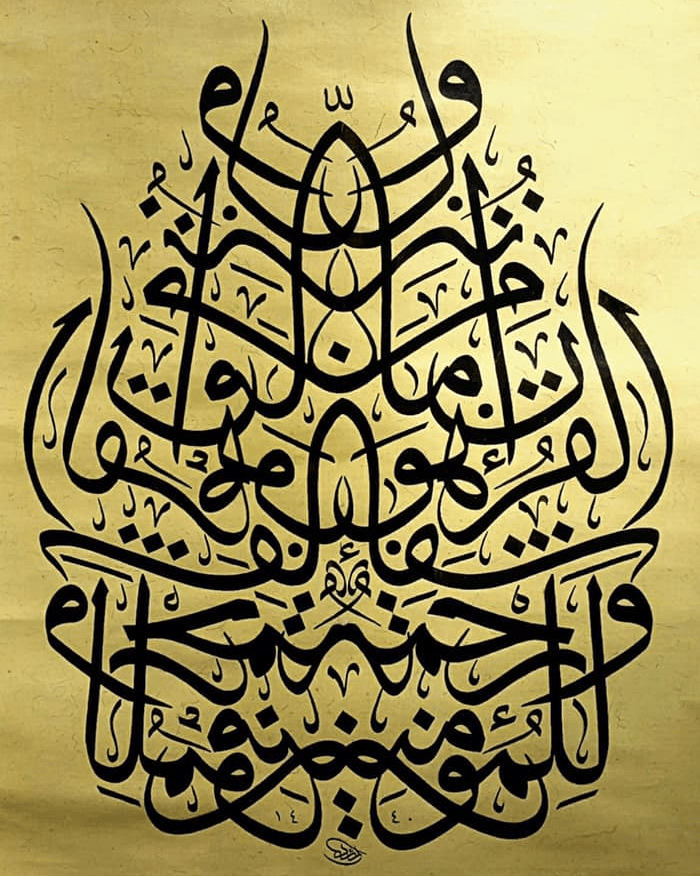
“And We send down from the Qur’an that which is a healing and a mercy to those who believe.” (Al-Isra, 17/82)
In our previous article, we aimed to examine the following traits indicative of poor moral character: impulsiveness, deceit, arrogance, cruelty, intimidation, extravagance, slander, infringing on others’ earnings, vindictiveness, belittling others, extremism, argumentativeness, cowardice, undue anxiety, prejudice, extreme skepticism, perjury, cruelty, and tyranny.
This article intends to conclude the discussion by exploring a range of negative moral traits, such as hostility, rebellion, injustice towards others, heedlessness, sedition, mischief-making, stubbornness, laziness, broken promises, slander, delusion, despair, dishonesty, selfishness, lack of empathy, ostentation, lying, materialism, and idolatry.
1. Hostility
Hostility manifests in aggressive attitudes and behaviors towards others, encompassing a range of actions from verbal or physical aggression to feelings of anger and resentment. It can target individuals or groups, frequently rooted in differences such as race, religion, gender, or other characteristics. This hostility can escalate conflicts and negatively impact relationships, personal well-being, and the broader society.
Turning to hostility is not a productive strategy when encountering differing viewpoints. It’s crucial to develop emotional restraint and engage in polite discourse. Being open to listening and earnestly striving to comprehend the perspectives of others, even when there is disagreement, is beneficial.
Understanding that hostility can be an acquired behavior is vital, and it can be mitigated with appropriate interventions. It is imperative to seek assistance when hostility leads to detrimental behaviors or substantially disrupts daily living. A moral advisor can assist in pinpointing the root causes and provide methods to control and diminish hostility. Additionally, it is important to recognize that hostility might indicate more profound issues, like depression, anxiety, or previous traumas.
The Qur’ân says:
“The good deed and the evil deed cannot be equal. Repel (the evil) with one which is better (i.e., Allah ordered the faithful believers to be patient in times of anger, and to excuse those who treat them badly), then verily! he, between whom and you there was enmity, (will become) as though he was a close friend. But none is granted it (the above quality) except those who are patient, and none is granted it except the owner of the great portion (of the happiness in the Hereafter i.e., Paradise and this world of a high moral character).” (Fussilat, 41/34-35)
Narrated ‘Aisha (may Allah be pleased with her):
The Prophet (ﷺ) said, “The most hated person in the sight of Allah is the one who is the violent and quarrelsome person.”[1]
2. Rebellion
Rebellion entails confronting established norms or regulations. The negative connotation associated with rebels arises from behaviors that may encompass violating laws, inflicting harm on others, or acting in self-interest.
Rebellion may result in societal instability, as it often entails the refusal to accept established authority or tradition. Hence, it is vital to contemplate the possible consequences of one’s actions before taking them.
It is important to understand that rebellion can be supplanted by positive moral and ethical principles. Acknowledging that rebellious behavior often signals deeper issues is essential. Such issues might involve feelings of oppression, inadequate representation, or misinterpretation. When rebellion leads to significant difficulties in life, seeking help is recommended. A moral advisor can help pinpoint the root problems and offer methods to channel the rebellious energy positively and constructively.
The Qur’ân says:
(Mine is) But conveyance (of the truth) from Allah and His Messages (of Islamic Monotheism), and whosoever disobeys Allah and His Messenger, then verily, for him is the Fire of Hell, he shall dwell therein forever.” (The Jinn, 72/23)
Narrated Abu Musa (may Allah be pleased with him):
That the Prophet (ﷺ) said: “Whoever carries weapons against us, he is not from us.”[2]
3. Injustice Toward Others
Injustice towards individuals can take many forms, such as discrimination, mistreatment, and neglect. These actions are unquestionably unethical, breaching the essential tenet of treating all individuals with fairness, dignity, and respect. Such behavior causes harm and suffering to those subjected to unfair treatment and leads to adverse effects on society at large.
Injustice fosters ignorance, prejudice, and a lack of empathy. It is imperative to conscientiously work to overcome any inherent biases and to engage with all individuals fairly, upholding their dignity and respect.
Injustice is a learned behavior that can be corrected with the right approach. When an individual’s actions or behavior cause harm to others or lead to significant challenges in their own life, it may be helpful to seek advice from a moral advisor. This advisor can assist in identifying the underlying issues and provide methods to address and amend unjust behavior.
The Qur’ân says:
“And who does more wrong than he who invents a lie against Allah? Such will be brought before their Lord, and the witnesses will say, ‘These are the ones who lied against their Lord!’ No doubt! the curse of Allah is on the Zalimun (polytheists, wrong-doers, oppressors, etc.)” (Hud, 11/18)
Narrated Anas (may Allah be pleased with him):
Allah’s Messenger (ﷺ) said, “Help your brother, whether he is an oppressor or he is an oppressed one.” People asked, “O Allah’s Messenger (ﷺ)! It is all right to help him if he is oppressed, but how should we help him if he is an oppressor?” The Prophet (ﷺ) said, “By preventing him from oppressing others.”[3]
4. Heedlessness
Heedlessness arises from a lack of attention and disregard for the consequences of one’s actions. This can lead to mistakes, accidents, and negative consequences for both the individual and others. It can also provoke feelings of regret and damage relationships.
Assuming responsibility for one’s actions and deriving lessons from them is commendable. It is crucial to remain mindful and present in the moment and to contemplate potential outcomes before making decisions.
Recognizing that inattentiveness can signal deeper problems, such as stress, anxiety, or a deficit in self-awareness, is essential. If this significantly interferes with daily life, it is wise to seek help. A counselor can help identify the underlying issues and provide strategies to cope with and reduce negligence.
Recognizing the importance of overcoming negligence through dedicated moral practice is essential. The adoption of strong moral principles can promote greater awareness and counteract carelessness.
The Qur’ân says:
“And surely, We have created many of the jinns and mankind for Hell. They have hearts wherewith they understand not, they have eyes wherewith they see not, and they have ears wherewith they hear not (the truth). They are like cattle, nay even more astray; those! They are the heedless ones.” (Al-A’râf, 7/179)
Abu Hurairah (may Allah be pleased with him) narrated that the Messenger of Allah (ﷺ) said:
“Call upon Allah while being certain of being answered and know that Allah does not respond to a supplication from the heart of one heedless and occupied by play.”[4]
5. Sedition
Sedition is defined as actions or speech designed to incite rebellion or resistance against lawful authority. It covers a range of conduct, such as promoting violence, spreading propaganda, or inciting the overthrow of the government. Recognized as a grave infraction, sedition is subject to legal consequences in many countries.
Understanding the importance of exercising the right to free speech and peaceful protest responsibly is crucial. It’s also vital to distinguish between peaceful protest and sedition, as the latter may cause harm and instability. Individuals must be aware of their country’s laws on sedition and understand that advocating for or engaging in seditious acts can have severe legal and personal consequences.
Incitement to participate in seditious acts, which involves urging or aiding people in conduct or speech aimed at inciting rebellion or resistance against a legitimate authority, such as a government or an organization, constitutes sedition. This grave infraction is legally punishable in many nations and may result in civil unrest, violence, and injury to innocent parties.
A troublemaker is an individual who partakes in actions that create disturbances, conflicts, or issues for others. These behaviors may take the form of verbal or physical hostility, property damage, or a disregard for regulations. Such conduct can result in negative consequences for the person involved and their community.
Participating in seditious acts or causing disturbances is harmful. Such actions are not only illegal but can also harm others and lead to legal or personal consequences. It’s important to understand that while individuals have the right to free speech and peaceful protest, these rights should be exercised within the confines of the law and with consideration, avoiding any incitement to violence or insurrection.
The Qur’ân says:
“O Messenger (Muhammad SAW)! Let not those who hurry to fall into disbelief grieve you, of such who say: ‘We believe’ with their mouths but their hearts have no faith. And of the Jews are men who listen much and eagerly to lies – listen to others who have not come to you. They change the words from their places; they say, ‘If you are given this, take it, but if you are not given this, then beware!’ And whomsoever Allah wants to put in Al-Fitnah (sedition, error, because he rejects the Faith), you can do nothing for him against Allah. Those are the ones whose hearts Allah does not want to purify (from disbelief and hypocrisy); for them, there is a disgrace in this world, and in the Hereafter a great torment.” (Al-Ma’idah, 5/41)
Narrated Abu Huraira (may Allah be pleased with him):
Allah’s Messenger (ﷺ) said, “There will be seditions (in the future) during which a sitting person will be better than a standing one, and the standing one will be better than the walking one, and the walking one will be better than the running one, and whoever will expose himself to these afflictions, they will destroy him. So, whoever can find a place of protection or refuge from them, should take shelter in it.”[5]
6. Mischief-Making
Mischievous behavior often seeks to cause trouble, annoyance, or engage in playful pranks. This conduct can take many forms, such as verbal or physical aggression, vandalism, or rule-breaking. These actions frequently lead to negative consequences for the individual and others and may result in legal problems or disciplinary actions.
Understanding that mischief-making may indicate deeper issues is crucial. Such behavior could arise from a lack of attention, boredom, or underdeveloped social skills. Should mischief progress to severe issues or harmful actions, seeking professional assistance is advisable. A behavioral specialist can identify the root causes and suggest strategies to manage and reduce mischievous conduct.
The Qur’ân says:
“And when it is said to them: ‘Make not mischief on the earth,’ they say: ‘We are only peacemakers.’ Verily! They are the ones who make mischief, but they perceive not.” (Al-Baqarah, 2/11-12)
Mu’awiyah bin Abu Sufyan (may Allah be pleased with him) said:
I heard the Messenger of Allah (ﷺ) say: “Deeds are like vessels. If the lower part is good then the upper part will be good, and if the lower part is bad then the upper part will be bad.”[6]
7. Stubbornness
Stubbornness is characterized by a firm and inflexible attachment to one’s own ideas, opinions, or planned actions, even in the face of contrary opinions or evidence. This quality can obstruct an individual’s capacity to reevaluate or assimilate new information, which may result in disputes within personal and professional spheres. Additionally, it can obstruct personal progress and evolution.
Determination and a strong sense of conviction are generally seen as positive attributes, whereas stubbornness is often viewed negatively, as it can prevent a person from considering different viewpoints or being receptive to change. This trait can also make it challenging to adjust to new circumstances or to learn from one’s errors.
Holding firm to your own opinions and principles is advantageous, but it’s also crucial to stay open to the ideas of others and be willing to re-evaluate your position in light of new evidence or viewpoints.
The Qur’ân says:
(And it will be said): “Both of you throw (Order from Allah to the two angels) into Hell, every stubborn disbeliever (in the Oneness of Allah, in His Messengers, etc.), hinderer of good, transgressor, doubter, who set up another ilah (god) with Allah, then (both of you) cast him in the severe torment.” (Qâf, 50/24-26)
‘Abdullah bin Busr (may Allah be pleased with him) said:
“I gave the Prophet (ﷺ) a gift of a sheep, and the Messenger of Allah (ﷺ) sat on his knees to eat. A Bedouin said: ‘What is this sitting?’ He said: ‘Allah has made me a humble and generous slave (of Allah) and has not rendered me arrogant and stubborn.’[7]
8. Laziness
Laziness manifests as a reluctance or lack of ability to partake in physical or mental tasks. It is frequently associated with a lack of motivation, chronic procrastination, or resistance to taking on responsibilities. The consequences of laziness can be harmful to an individual, resulting in below-average performance in work or educational environments, financial problems, and a lack of personal growth or self-enhancement.
Conquering feelings of lethargy is vital for advancing towards one’s goals. It’s crucial to pinpoint the underlying reasons for this sluggishness, be it a lack of motivation, a deficit of inspiration, or an overwhelming sensation. After recognizing these factors, it’s imperative to actively address them.
It is crucial to recognize that laziness can be a symptom of deeper issues, such as depression, anxiety, or low self-esteem. If this significantly interferes with one’s daily life, it is wise to seek help.
Understanding that laziness is frequently a habitual behavior, it’s important to realize that it can be changed with persistent practice and effort. Setting attainable goals and breaking them down into smaller, manageable tasks is key. Creating a consistent routine and formulating an action plan is also crucial. Moreover, finding ways to make the task more engaging or important, and acknowledging your progress and accomplishments, can prove to be very rewarding.
The Qur’ân says:
“And nothing prevents their contributions from being accepted from them except that they disbelieved in Allah and His Messenger (Muhammad SAW); and that they came not to As-Salat (the prayer) except in a lazy state; and that they offer not contributions but unwillingly.” (At-Tawbah, 9/54)
Narrated Anas bin Malik (may Allah be pleased with him):
Allah’s Messenger (ﷺ) said to Abu Talha, “Seek one of your boys to serve me.” Abu Talha mounted me behind him (on his riding animal) and took me (to the Prophet (ﷺ). So, I used to serve Allah’s Messenger (ﷺ) whenever he dismounted (to stay somewhere). I used to hear him saying very often, “O Allah! I seek refuge with You from, having worries sadness, helplessness, laziness, miserliness, cowardice, being heavily in debt, and from being overpowered by other persons unjustly.”[8]
9. Unfulfilled Promises
Not fulfilling promises is a failure to uphold commitments or agreements with others. This violation of trust can damage relationships and negatively impact one’s reputation and credibility.
Grasping the significance of making promises and agreements is essential; they demand careful consideration and reflection. It is equally critical to acknowledge that if one cannot fulfill a promise, promptly notifying the involved party and pursuing an alternative solution is imperative.
Recognizing that the failure to fulfill promises might signal deeper issues is essential. These issues may stem from poor time management, inadequate planning, or a deficit in integrity. A moral advisor can help identify these root causes and provide methods to tackle and resolve the habit of breaking promises.
Recognizing the negative impact of not keeping promises is essential. This habit can be changed with consistent practice and determination. Establishing realistic goals, creating a thoughtful plan, and developing a habit of fulfilling commitments are constructive measures to ensure promises are kept.
The Qur’ân says:
“And fulfill (every) covenant. Verily! The covenant will be questioned.” (Al-Isra, 17/34)
Narrated Abu Huraira (may Allah be pleased with him):
The Prophet (ﷺ) said, “The signs of a hypocrite are three:
1. Whenever he speaks, he tells a lie.
2. Whenever he promises, he always breaks it (his promise).
3. If you trust him, he proves to be dishonest. (If you keep something as a trust with him, he will not return it.)”[9]
10. Backbiting or Gossiping
Partaking in backbiting, defined as speaking ill of others when they are not present, frequently results in numerous negative consequences. Such consequences can encompass the erosion of relationships, the cultivation of an unfavorable personal reputation, and the imposition of stress and anxiety on the individuals being gossiped about. Furthermore, backbiting can foster a toxic and harmful environment. In certain instances, it might even lead to legal consequences, especially if it entails spreading false or defamatory statements about someone.
Talking negatively about someone or circulating rumors behind their back is typically a situation where issues are not addressed directly with the person concerned. This kind of behavior is misleading and undermines trust and relationships. It’s much more beneficial and respectful to engage in a direct conversation with the individual regarding any issues or concerns, rather than disparaging them when they’re not present.
The consequences of indulging in backbiting or undermining others in their absence are substantial and include the following:
1. When it’s revealed that you’ve spoken about someone behind their back, the task of rebuilding trust and repairing the relationship becomes a formidable challenge.
2. Engaging in certain behaviors can lead to a loss of credibility and respect, as it reflects a lack of trustworthiness and integrity. This can damage one’s reputation and impair their future ability to be taken seriously.
3. Alienation often occurs when individuals speak negatively about others behind their backs, leading to social isolation as people generally avoid those whom they deem untrustworthy.
4. Badmouthing colleagues or spreading rumors in a professional setting creates a toxic environment and obstructs effective teamwork.
The Qur’ân says:
“O you who believe! Avoid any suspicions, indeed some suspicions are sins. And spy not, neither backbite one another. Would one of you like to eat the flesh of his dead brother? You would hate it (so hate backbiting). And fear Allah. Verily, Allah is the One Who accepts repentance, Most Merciful.” (Al-Hujurat, 49/12)
Abu Huraira (may Allah be pleased with him) reported Allah’s Messenger (ﷺ) as saying:
“Do you know what is backbiting?” They (the Companions) said: “Allah and His Messenger know best.” Thereupon he (the Holy Prophet) said: “Backbiting implies you are talking about your brother in a manner which he does not like.” It was said to him: “What is your opinion about this that if I find (that failing) in my brother which I made a mention of?” He said: “If (that failing) is found (in him) what you assert, you are backbiting him, and if that is not in him it is a slander.”[10]
11. Delusion
Delusional thinking is characterized by beliefs or perceptions that are at odds with reality. These delusions can take many forms, such as believing in personal extraordinary abilities or talents, feeling persecuted by others, or falsely perceiving events or situations that are not happening. The presence of such delusions might suggest an underlying mental health condition, like schizophrenia, bipolar disorder, or a specific delusional disorder.
Recognizing the distress and disruption to daily life caused by delusions is vital. They can lead to challenges in both personal and professional relationships and may hinder the pursuit of help.
Acknowledging the existence of delusions is vital, and seeking help from a qualified mental health professional, such as a psychiatrist or psychologist, is imperative. These experts possess the skills to diagnose and treat the underlying causes of the condition. A comprehensive treatment plan might include medication, therapy, and other forms of support.
The Qur’ân says:
“It was We Who created man, and We know what dark suggestions his soul makes to him: for We are nearer to him than (his) jugular vein.” (Qaf, 50/16)
Narrated `Ali bin Husain (may Allah be pleased with him):
The Prophet (ﷺ) said, “Satan circulates in the human body as blood does.”[11]
12. Despair
Despair is characterized by a deep sense of extreme sadness and a lack of hope. It is expressed through intense feelings of hopelessness and helplessness, along with reduced motivation or interest in once-enjoyable activities. Although despair can be a common reaction to difficult or traumatic events, it may also signal the existence of a mental health condition like depression.
Recognizing that despair can be overwhelming and impede daily activities is essential. It can also lead to challenges in personal and professional relationships, which may become a barrier to seeking help.
Recognizing that despair is often a symptom of an underlying issue, not a personal shortcoming, is essential. With the right treatment and support, people can learn to cope with their symptoms and lead fulfilling lives. It’s also important to acknowledge that surmounting despair and regaining hope takes time and dedication, yet it is possible with the right emotional support.
The Qur’ân says:
“Despair not of the Mercy of Allah. Indeed, no one despairs Allah’s Mercy except those who disbelieve.” (Yusuf, 12/87)
“Say: O ‘Ibadi (My slaves) who have transgressed against themselves (by committing evil deeds and sins)! Despair not of the Mercy of Allah, verily Allah forgives all sins. Truly, He is Oft-Forgiving, Most Merciful.” (Az-Zumar, 39/53)
Narrated Abu Huraira (may Allah be pleased with him):
I heard Allah’s Messenger (ﷺ) saying, “Verily Allah created Mercy. The day He created it, He made it into one hundred parts. He withheld with Him ninety-nine parts and sent its one part to all His creatures. Had the non-believer known of all the Mercy, which is in the Hands of Allah, he would not lose hope of entering Paradise and had the believer known of all the punishment, which is present with Allah, he would not consider himself safe from the Hellfire.”[12]
13. Dishonesty
Dishonesty is characterized by a lack of truthfulness or deception. It can take many forms, such as lying, cheating, or stealing, and often damages relationships, undermines trust, and leads to negative consequences. To overcome this detrimental quality, one must foster and maintain integrity and honesty in all aspects of life.
Lying, cheating, and stealing are different forms of dishonest behavior. Each can result in serious consequences. Instances of deceit encompass:
Lying: Lying consists of making false statements that can erode trust and damage relationships. In extreme cases, it may lead to criminal charges.
Theft: Theft can lead to legal prosecution, financial fines, and imprisonment. Additionally, it can damage personal relationships and sully one’s reputation.
Remembering that honesty is the best policy is always essential, and being truthful and dependable is crucial for building and maintaining strong relationships.
Dishonesty may result in job termination or workplace sanctions, damage personal and professional relationships, undermine trust and credibility, and blemish one’s reputation and public image.
The significance of honesty cannot be overstated, as dishonesty leads to consequences that are both immediate and long-lasting, affecting personal and professional relationships. Honesty and transparency are crucial in all aspects of life.
The Qur’ân says:
“Woe to Al-Mutaffifin (those who give less in measure and weight [decrease the rights of others]), those who, when they must receive by measure from people demand full measure, and when they must give by measure or weight to people give less than due.” (Al-Mutaffifin, 83/1-3)
It is narrated on the authority of Abu Huraira (may Allah be pleased with him) that the Messenger of Allah (ﷺ) happened to pass by a heap of eatables (corn). He thrust his hand into that (heap) and his fingers were moistened. He said to the owner of that heap of eatables (corn):
“What is this?” He replied: “Messenger of Allah, these have been drenched by rainfall!” He (the Holy Prophet) remarked: “Why did you not place this (the drenched part of the heap) over other eatables so that the people could see it? He who deceives is not of me (is not my follower).”[13]
14. Selfishness
Selfishness is marked by an excessive focus on one’s own needs, desires, and interests, frequently at the expense of others’ needs and feelings. It manifests in different ways, such as egocentrism, a refusal to compromise, and a lack of willingness to help others. This self-centeredness can damage relationships, provoke conflicts, and lead to negative consequences. It arises from an exaggerated sense of self-worth and a lack of empathy and regard for others. To overcome selfishness, one must develop empathy and compassion, and make a deliberate effort to include others’ perspectives in their actions and decisions.
Selfish behavior can have a variety of negative consequences, affecting not just the individual who behaves selfishly, but also those in their vicinity. Possible repercussions may encompass:
1. Damage to relationships: Self-centered behavior can strain or even break relationships with friends and family. Those who consistently prioritize their own interests and disregard the needs and feelings of others may find it challenging to maintain healthy relationships.
2. Loss of trust and respect: Individuals who persistently behave selfishly risk losing the trust and respect of their peers.
3. Difficulty in teamwork: Self-centered actions can obstruct the dynamics of effective teamwork, fostering an atmosphere where individuals might feel undervalued or disrespected.
4. Negative impact on mental and physical health: Self-centered actions can lead to stress and anxiety, negatively impacting an individual’s mental and physical health.
5. Legal or professional problems: Self-centered actions can lead to legal consequences and may affect an individual’s professional or academic success.
Understanding that selfishness is a learned behavior is essential, and it can be supplanted by solid moral values. Changing ingrained selfish habits can be difficult; nonetheless, with persistent effort and a commitment to self-improvement, a person can slowly adopt a more selfless attitude.
The Qur’ân says:
“And when it is said to them: Spend of that with which Allah has provided you, those who disbelieve say, to those who believe: Shall we feed those whom, if Allah willed, He (Himself) would have fed? You are only in a plain error!” (Ya-Sin, 36/47)
Narrated Anas (may Allah be pleased with him):
The Prophet (ﷺ) said, “None of you will have faith till he wishes for his (Muslim) brother what he likes for himself.”[14]
15. Lack of Empathy
An absence of empathy indicates a person’s difficulty in understanding the emotions and experiences of others. Individuals who lack empathy may find it challenging to recognize and respond to the perspectives and feelings of others, often appearing indifferent or neglectful of the needs around them. This shortfall can impede the development and maintenance of positive relationships. While a deficiency in empathy is often viewed negatively, it is not a fixed characteristic; empathy can be developed through intentional effort and, when needed, through the assistance of respected ethical advisors.
A lack of empathy is marked by a failure to understand the emotions and experiences of others. Empathy involves the ability to perceive and share the feelings of another person. The absence of empathy can make it difficult to form and maintain healthy relationships, as it hinders the understanding of others’ feelings and perspectives. This deficiency can lead to apathy or even cruelty towards others.
Many factors can lead to a person’s lack of empathy. It’s important to understand that a lack of empathy is not synonymous with selfishness. A person may have the capacity for empathy but still opt to act in a self-absorbed way.
Although cultivating empathy may be challenging for some, it is a skill that can be developed with commitment and regular practice. This involves recognizing and understanding diverse emotions, participating in perspective-taking exercises, and actively striving to value the feelings and experiences of others. The guidance of a moral advisor can also enhance the cultivation of empathy.
A lack of empathy can result in numerous negative outcomes for the person who lacks it, as well as for those around them. Possible consequences include:
1. Damage to relationships: A lack of empathy can impede an individual’s capacity to form and maintain healthy relationships, as it presents difficulties in understanding or resonating with the emotions and perspectives of others. Consequently, this may lead to the individual seeming detached, disinterested, or uncaring.
2. Difficulty in teamwork: A lack of empathy can impede successful teamwork, as it might result in others feeling unappreciated or disrespected.
3. Negative impact on mental health: A lack of empathy can contribute to feelings of loneliness and negatively impact mental health, possibly leading to disorders such as depression and anxiety.
4. Difficulty in understanding others: A lack of empathy can impede one’s understanding of others’ emotions, thoughts, and actions, which may lead to misunderstandings and conflicts.
5. Difficulty in resolving conflicts: A lack of empathy can impede one’s capacity to understand and address the concerns of others, which may complicate the resolution of conflicts.
6. Difficulty in providing emotional support: A lack of empathy can obstruct one’s capacity to provide emotional support, which in turn can inhibit the development of significant relationships with others.
Understanding that a lack of empathy is often a learned behavior, it’s important to realize that this can be unlearned. With persistent effort and unwavering commitment to change, it is possible to develop empathy over time.
The Qur’ân says:
“By the forenoon (after sunrise); and by the night when it is still (or darkens); Your Lord (O Muhammad [Peace be upon him]) has neither forsaken you nor hated you. And indeed the Hereafter is better for you than the present (life of this world). And verily, your Lord will give you (all i.e. good) so that you shall be well-pleased. Did He not find you (O Muhammad [Peace be upon him]) an orphan and gave you refuge? And He found you unaware (of the Qur’an, its legal laws, and Prophethood, etc.) and guided you? And He found you poor, and made you rich (self-sufficient with self-contentment, etc.)? Therefore, treat not the orphan with oppression, and repulse not the beggar; and proclaim the Grace of your Lord (i.e., the Prophethood and all other Graces).” (Ad-Duhaa, 93/1-11)
Abu Hurairah (may Allah be pleased with him) reported the Messenger of Allah (May peace be upon him) as saying:
“You shall not enter Paradise so long as you do not affirm belief (in all those things which are the articles of faith) and you will not believe as long as you do not love one another. Should I not direct you to a thing which, if you do, will foster love amongst you: (i.e.) Give currency to (the practice of paying salutation to one another by saying) as-salamu alaikum.”[15]
16. Ostentation
The tendency toward ostentation, or the urge to attract attention and praise from others, is a common human trait. It may arise from a lack of self-esteem, a need for validation, or a desire for status or control. This behavior can manifest in boastful actions or a pursuit of fame. However, it’s important to understand that too much showiness can have negative consequences, such as damaged relationships and being seen as arrogant or insincere.
The consequences of ostentation, or excessive display, are frequently negative and can include:
1. Alienating others: Displaying ostentatious behavior can be unappealing, often causing others to withdraw from individuals who engage in such actions.
2. Damaging relationships: Displaying ostentation frequently results in tension and discord within personal and professional relationships.
3. Perceived as insincere or lacking authenticity: Individuals who exhibit flamboyant behavior may be perceived as insincere or inauthentic, which could damage their social reputation and credibility.
4. Creating unrealistic expectations: When individuals engage in showy behavior, they may create unrealistic expectations among others and risk not fulfilling these expectations.
5. Financial consequences: Flaunting wealth can lead to financial consequences, especially when it involves excessive spending or overextending one’s budget.
6. Understanding that outcomes can vary depending on the context and an individual’s intentions is essential.
7. Furthermore, the influence of ostentatious behavior on an individual’s mental health, manifesting as increased stress, anxiety, or depression, can be observed in certain cases.
Ostentation is a subtle form of idolatry, driven by the desire to impress others instead of performing actions purely for Almighty Allah’s sake. It stems from a longing for public acclaim and praise. The best countermeasure is to carefully examine one’s intentions before embarking on any action.
The Qur’ân says:
“Verily, the hypocrites seek to deceive Allah, but it is He Who deceives them. And when they stand up for As-Salat (the prayer), they stand with laziness and to be seen of men, and they do not remember Allah but little.” (An-Nisa, 4/142)
Narrated Tarif Abi Tamima (may Allah be pleased with him):
I saw Safwan and Jundab and Safwan’s companions when Jundab was advising. They said, “Did you hear something from Allah’s Messenger (ﷺ)?” Jundab said, “I heard him saying, ‘Whoever does a good deed to show off, Allah will expose his intentions on the Day of Resurrection (before the people).”[16]
17. Lying
Deceiving others is morally wrong and erodes trust and relationships. It is vital to preserve honesty in our communications and deeds. Building trust and maintaining integrity is key and advantageous in every aspect of life.
Lying and deception frequently lead to negative psychological consequences, such as diminished self-esteem and emotional distress. They can also shape reality, influencing choices and beliefs in both positive and negative ways. Moreover, recognizing the costs of dishonesty can encourage more truthful and healthy communication practices. Additionally, dishonesty can be cognitively draining, increase the likelihood of punishment, threaten self-worth, and generally undermine trust in society. In terms of physical health, constant lying is linked with various negative outcomes, including high blood pressure, increased heart rate, vasoconstriction, and elevated stress hormones.
Honesty and integrity are greatly valued in personal and professional relationships alike, whereas deception can result in serious long-term consequences.
The Qur’ân says:
“O you who believe! Keep your duty to Allah fear Him and speak (always) the truth. He will direct you to righteous good deeds and forgive you your sins. And whosoever obeys Allah and His Messenger (SAW) he has indeed achieved a great achievement (i.e., he will be saved from the Hellfire and made to enter Paradise).” (Al-Ahzab, 33/70-71)
‘Abdullah reported Allah’s Messenger (ﷺ) as saying:
“Truth leads one to Paradise and virtue leads one to Paradise and the person tells the truth until he is recorded as truthful and lie leads to obscenity and obscenity leads to Hell, and the person tells a lie until he is recorded as a liar.”[17]
18. Materialism
Adopting a materialistic approach means placing a higher value on material possessions, wealth, and external success than on spiritual and moral values. This perspective encourages a narrow and self-centered outlook focused on personal gain and pleasure while overlooking the significance of spiritual growth.
Contrarily, adopting an otherworldly approach involves valuing spiritual and moral principles above material wealth and external accomplishments as the ultimate measures of happiness and success. This viewpoint encourages looking within, focusing on introspection and spiritual development, instead of seeking external recognition and social standing.
Islam promotes a harmonious equilibrium between spiritual development and material well-being. It acknowledges the importance of fostering a balanced perspective that values both personal growth and material achievement, while also highlighting principles that support the welfare of both the individual and the community.
Promotion of materialism and consumerism can result in a range of negative consequences, including:
1. The escalation of waste production is leading to environmental deterioration.
2. The accumulation of resources among a small number of individuals is a factor in the expanding gap of economic and social inequalities.
3. When individuals focus excessively on accumulating material possessions, happiness and satisfaction often diminish as a result of neglecting to cultivate meaningful relationships and experiences.
4. A distorted view of values emerges when people prioritize material possessions over moral and ethical principles.
5. Accumulating material possessions beyond one’s financial means frequently leads to heightened debt and financial instability.
Materialism and consumerism may distort our views of success and happiness, undermining the well-being of both individuals and society. It is essential to foster a balanced perspective, cherish meaningful relationships, pursue personal growth, and engage in community activities.
The Qur’ân says:
“Know that the life of this world is only play and amusement, pomp and mutual boasting among you, and rivalry in respect of wealth and children, as the likeness of vegetation after rain, thereof the growth is pleasing to the tiller; afterward, it dries up and you see it turning yellow; then it becomes straw. But in the Hereafter (there is) a severe torment (for the disbelievers, evil-doers), and (there is) Forgiveness from Allah and (His) Good Pleasure (for the believers, good-doers), whereas the life of this world is only a deceiving enjoyment.” (Al-Hadid, 57/20)
Narrated ‘Urwa bin Az-Zubair and Sa’id bin Al-Musaiyab:
Hakim bin Hizam said, “(Once) I asked Allah’s Messenger (ﷺ) (for something) and he gave it to me. Again, I asked and he gave (it to me). Again I asked and he gave (it to me). And then he said, “O Hakim! This property is like a sweet fresh fruit; whoever takes it without greediness is blessed in it, and whoever takes it with greediness is not blessed in it, and he is like a person who eats but is never satisfied. The upper (giving) hand is better than the lower (receiving) hand.” Hakim added, “I said to Allah’s Messenger (ﷺ), ‘By Him (Allah) Who sent you with the Truth, I shall never accept anything from anybody after you, till I leave this world.’ Then Abu Bakr (during his caliphate) called Hakim to give him his share of the war booty (like the other companions of the Prophet (ﷺ) ), but he refused to accept anything. Then ‘Umar (during his caliphate) called him to give him his share, but he refused. On that ‘Umar said, “O Muslims! I would like you to witness that I offered Hakim his share of this booty and he refused to take it.” So, Hakim never took anything from anybody after the Prophet (ﷺ) till he died.[18]
19. Idolatry
Idolatry refers to the worship of a physical object as a god or divine entity. Often associated with polytheistic or pagan traditions, it involves honoring various gods through tangible representations such as statues. Moreover, idolatry can also mean an excessive adoration or dedication to a person, concept, or item, to the point where it becomes central to one’s existence and takes precedence over religious beliefs.
Idolatry can result in numerous negative consequences, including psychological effects like anxiety, depression, high-stress levels, poor body image, and obsessive-compulsive behaviors, as well as being the ultimate expression of unfaithfulness to God, which is considered a serious offense in many religious traditions.
Idolatry represents a rejection of true faith and threatens the purity and unity of religious belief. Within the Islamic tradition, the act of revering idols and assigning partners to Almighty Allah is considered among the gravest of sins.
The Qur’ân says:
“And (Abraham) said: You have taken (for worship) idols instead of Allah, and the love between you is only in the life of this world, but on the Day of Resurrection, you shall disown each other, and curse each other, and your abode will be the Fire, and you shall have no helper.” (Al-‘Ankabut, 29/25)
Narrated Ishaq bin ‘Abdullah bin Abi Talhah, that Rafi’ bin Ishaq informed him, saying: “I and ‘Abdullah bin Abi Talhah entered upon Abu Sa’eed Al-Khudri to visit him. So, Abu Sa’eed said: ‘The Messenger of Allah (ﷺ) informed us: “The angels do not enter a house in which there is an image or a picture.”[19]
Conclusion
Lacking strong moral principles can be detrimental to both individuals and society. Having a flawed moral character can lead to negative consequences for oneself and others, resulting in a loss of trust and respect from peers. The display of poor moral character can result in various harmful effects on both the individual and those around them. Such effects may include:
1. Damage to reputation: Individuals who display traits of poor moral character, including dishonesty, deceit, and a lack of integrity, risk damaging their reputation and trustworthiness. This can impede their ability to establish and maintain meaningful personal and professional relationships.
2. Legal consequences: Traits of poor ethical character can lead to legal consequences, such as fraud, embezzlement, and other criminal offenses.
3. Loss of employment: Displaying traits of questionable moral character can lead to job dismissal or difficulties in securing future employment.
4. Impact on mental and physical health: Individuals displaying traits of poor moral character may experience negative effects on their mental and physical health, such as stress, anxiety, and depression.
5. Impact on others: Individuals displaying traits of poor moral character can negatively impact their peers. For example, an untruthful person can harm others with their deceit, and a lack of integrity or accountability can result in harmful consequences for those depending on them.
6. It is important to recognize that the given examples are only illustrative, and the impact of poor moral character can vary depending on specific circumstances and context.
Good morals encompass principles or habits that promote the well-being of both individuals and society. They steer us towards making virtuous decisions and living a rewarding, significant life. Exhibiting traits of a strong moral character can lead to many beneficial results, enhancing the lives of both the individual and the community at large. For example:
1. Positive reputation: Individuals who display admirable moral qualities, such as honesty, integrity, and responsibility, typically develop a positive reputation. This favorable image assists in establishing and maintaining both personal and professional relationships.
2. Professional success: Having a strong moral character is beneficial in the professional world, as it enhances an individual’s prospects for career advancement.
3. Better mental and physical health: People who display traits of strong moral character frequently experience positive effects on their mental and physical health, such as improved stress management and lower incidences of anxiety and depression.
4. Positive impact on others: Individuals who display traits of admirable moral character can positively impact their environment. For example, a person who demonstrates integrity and honesty is likely to earn greater trust, leading to stronger relationships, while someone responsible will be relied upon by their peers.
5. Legal benefits: Good moral character is often considered in legal proceedings and can act as a mitigating factor in determining the severity of a sentence.
Understanding that the examples given only demonstrate possible outcomes is crucial, as the real-life implications of having a good moral character can vary depending on particular needs and circumstances. Additionally, it is vital to acknowledge that good moral character is a multifaceted trait shaped by numerous factors, such as cultural, social, and personal beliefs.
سُبْحَانَكَ لَا عِلْمَ لَنَا اِلَّا مَا عَلَّمْتَنَا اِنَّكَ اَنْتَ الْعَلٖيمُ الْحَكٖيمُ
“Glory be to You; we do not know what you have taught us. Verily, it is You, the All-Knower, the All-Wise.” (Al-Baqarah, 2/32)
[1] Sahih al-Bukhari, Oppressions, Hadith number: 2457.
[2] Jami’ at-Tirmidhi, The Book on Legal Punishments (Al-Hudud), Hadith number: 1459.
[3] Sahih al-Bukhari, Oppressions, Hadith number: 2444.
[4] Jami’ at-Tirmidhi, Chapters on Supplication, Hadith number: 3479.
[5] Sahih al-Bukhari, Seditions and the End of the World, Hadith number: 7081.
[6] Sunan Ibn Majah, Zuhd, Hadith number: 4199.
[7] Sunan Ibn Majah, Chapters on Food, Hadith number: 3263.
[8] Sahih al-Bukhari, Food-Meals, Hadith number: 5425.
[9] Sahih al-Bukhari, Belief, Hadith number: 33.
[10] Sahih Muslim, The Book of Virtue, Enjoining Good Manners and Joining of the Ties of Kinship, Hadith number: 2589.
[11] Sahih al-Bukhari, Judgments (Ahkaam), Hadith number: 7171.
[12] Sahih al-Bukhari, To make the Heart Tender (Ar-Riqaq), Hadith number: 6469.
[13] Sahih Muslim, The Book of Faith, Hadith number: 102.
[14] Sahih al-Bukhari, Belief, Hadith number: 13.
[15] Sahih Muslim, The Book of Faith, Hadith number: 54.
[16] Sahih al-Bukhari, Judgments (Ahkaam), Hadith number: 7152.
[17] Sahih Muslim, The Book of Virtue, Enjoining Good Manners and Joining of the Ties of Kinship, Hadith number: 2607.
[18] Sahih al-Bukhari, Obligatory Charity Tax (Zakat), Hadith number: 1472.
[19] Jami` at-Tirmidhi, Chapters on Manners, Hadith number: 2805.
© All rights reserved. The intellectual property rights and copyrights of this website and its content are owned by http://www.dinveilim.com and are protected under Law No. 5846. Reproduction of http://www.dinveilim.com web pages, either electronically or in print, is prohibited without permission. Nevertheless, quoting brief excerpts from the articles is permissible, provided that the source is acknowledged as http://www.dinveilim.com and a direct active link to the website is included.
 SELAM
SELAM 